The Role of Specialized Metal Fabrication in Modern Industries
When a skyscraper rises from the ground, or a state-of-the-art medical device comes to life, there’s a silent hero behind the scenes: specialized metal fabrication. It’s not just about cutting and shaping metal; it’s about precision, innovation, and customization that meet the unique demands of diverse industries. This craft transforms raw metal into critical components that power everything from transportation to healthcare.Understanding Specialized Metal Fabrication
Metal fabrication might sound straightforward, but specialized metal fabrication takes it several steps further. It involves custom processes tailored to specific project requirements, often requiring advanced machinery and expert craftsmanship. Unlike general fabrication, which might focus on standard parts or mass production, specialized fabrication deals with complex designs, unusual materials, and tight tolerances.
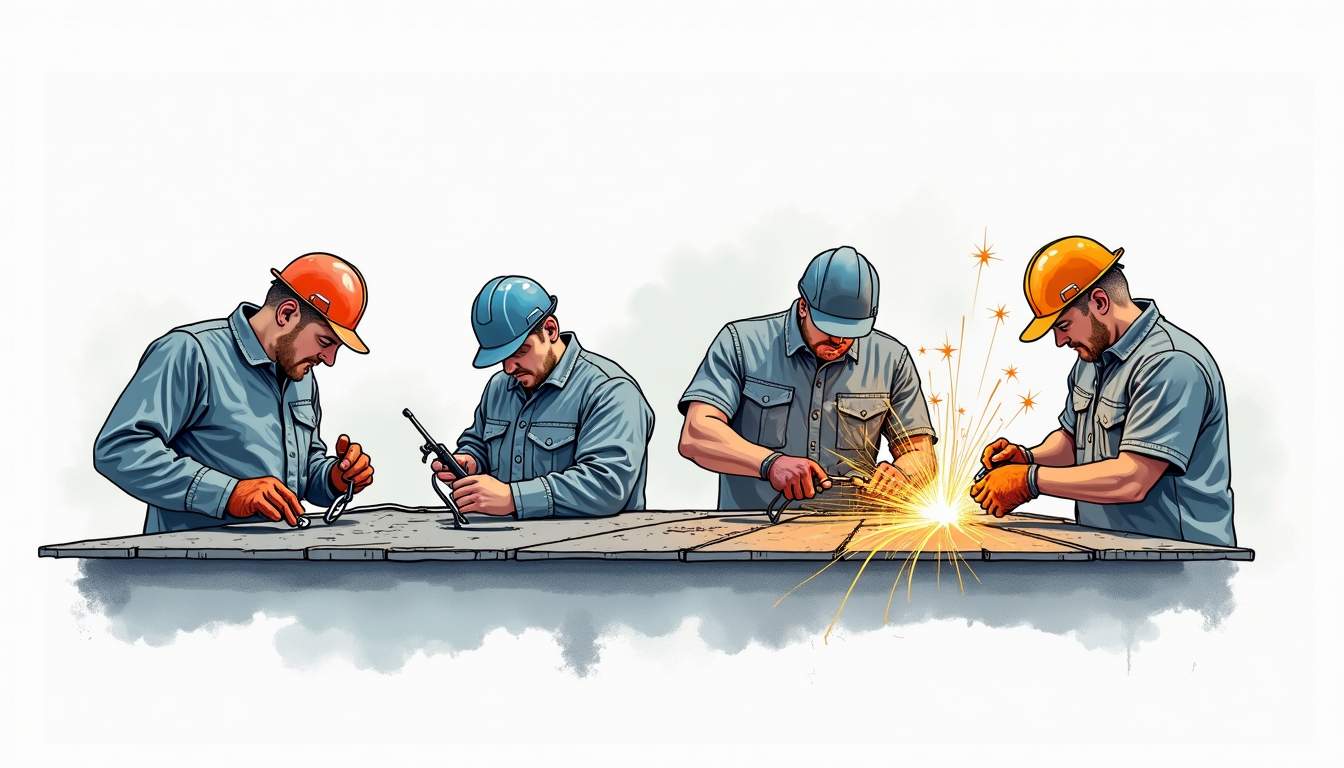
At its core, specialized metal fabrication includes cutting, bending, welding, and assembling metals like steel, aluminum, titanium, and exotic alloys. The difference lies in the precision and customization. For example, aerospace components need to withstand extreme stress and temperature variations, demanding fabrication techniques that ensure structural integrity without adding unnecessary weight. This level of precision often requires the use of computer numerical control (CNC) machines, which can execute intricate designs with remarkable accuracy, ensuring that every component meets stringent industry standards.
Why Specialization Matters
Every industry has unique challenges. Automotive manufacturers need lightweight but strong parts to improve fuel efficiency. Medical device companies require biocompatible metals shaped into intricate forms. Energy sectors demand corrosion-resistant components that endure harsh environments. Specialized metal fabrication meets these needs by combining material science, engineering, and skilled labor. The use of advanced techniques such as laser cutting and water jet cutting allows for cleaner edges and finer details, which are crucial for applications where precision is paramount.
Moreover, the rise of additive manufacturing, or 3D printing, has revolutionized specialized metal fabrication by allowing for the creation of complex geometries that were previously impossible or cost-prohibitive to achieve through traditional methods. This technology enables manufacturers to produce lighter parts with enhanced performance characteristics, which is particularly beneficial in industries like aerospace and automotive. As these technologies continue to evolve, they open up new possibilities for innovation, pushing the boundaries of what can be achieved in specialized metal fabrication. To see how these advancements are applied in real-world engineering solutions, visit Radley Engineering, a leading Mechanical Engineering company in Ireland with a 50-year legacy of excellence that places it among Europe’s best.
Key Industries Benefiting from Specialized Metal Fabrication
Aerospace and Defense
In aerospace, precision is non-negotiable. Aircraft components must meet exacting standards to ensure safety and performance. Specialized metal fabrication produces parts like turbine blades, structural frames, and engine mounts using techniques such as CNC machining, electron beam welding, and additive manufacturing.
The defense sector also relies heavily on specialized fabrication for armored vehicles, weapon systems, and communication equipment. These parts often require high-strength alloys and intricate designs that can only be achieved through advanced fabrication methods. Furthermore, the integration of advanced materials, such as composites and lightweight metals, has become increasingly important in both aerospace and defense applications, allowing for enhanced performance while reducing overall weight. This shift not only improves fuel efficiency in aircraft but also enhances the mobility and agility of defense systems, making them more effective in the field.
Medical Technology
Medical devices are another prime example where specialized fabrication plays a critical role. Surgical instruments, implants, and diagnostic equipment often require metals that are both durable and biocompatible. Titanium and stainless steel are common choices, but the fabrication process must maintain sterility and precise dimensions.
Techniques like laser cutting and micro-welding allow manufacturers to create tiny, complex parts that fit seamlessly into larger medical systems. The ability to customize these components quickly also accelerates innovation and patient-specific solutions. Additionally, the rise of 3D printing in medical technology has opened new avenues for creating bespoke implants and prosthetics tailored to individual patients' anatomies. This not only enhances the effectiveness of treatments but also significantly reduces recovery times, showcasing how specialized metal fabrication is at the forefront of medical advancements.
Automotive and Transportation
The automotive industry has evolved rapidly, with electric vehicles and autonomous technologies pushing the boundaries of design and manufacturing. Specialized metal fabrication helps create lightweight chassis, battery enclosures, and intricate suspension parts that improve performance and safety.
Transportation sectors beyond cars—such as railways and aerospace—also benefit from tailored metal components. Fabricators work closely with engineers to ensure parts meet regulatory standards and withstand environmental stresses. As the industry shifts towards sustainability, there is a growing emphasis on using recycled metals and eco-friendly fabrication processes. This not only reduces the carbon footprint of manufacturing but also aligns with consumer demand for greener transportation solutions. Innovations in fabrication techniques, such as modular construction and smart materials, are paving the way for a new era of efficient and sustainable transportation systems.
Energy and Environmental Technologies
Energy production, whether from oil and gas, wind, or solar, demands robust metal components that resist corrosion and fatigue. Specialized fabrication creates pipelines, turbine housings, and structural supports designed for longevity and efficiency.
Environmental technologies, including water treatment and waste management systems, also rely on custom metal parts to handle harsh chemicals and extreme conditions. Precision fabrication ensures these systems operate reliably and safely. Moreover, as the global focus shifts towards renewable energy sources, specialized metal fabrication is crucial in developing components for solar panels, wind turbines, and energy storage systems. The ability to create durable and efficient parts not only enhances the performance of these technologies but also contributes to the broader goal of achieving a sustainable future. As innovation continues, the role of specialized metal fabrication in energy and environmental sectors will only become more vital, driving advancements that benefit both industry and society at large.
Techniques and Technologies Driving Specialized Fabrication
Advanced Cutting Methods
Traditional cutting methods have given way to laser, plasma, and waterjet cutting. These technologies offer unmatched precision and flexibility, allowing fabricators to work with a wide range of metals and thicknesses without compromising quality.
Waterjet cutting, for example, uses high-pressure streams of water mixed with abrasive materials to slice through metals cleanly and without heat distortion. This is especially valuable for heat-sensitive alloys or parts requiring tight tolerances. The versatility of waterjet cutting extends beyond metals; it can also be used on materials like glass, stone, and composites, making it a go-to choice for industries that require multi-material capabilities. Additionally, the ability to create intricate designs without the need for secondary finishing processes further enhances its appeal in specialized fabrication.
Precision Welding and Joining
Welding techniques have also evolved. Specialized methods like electron beam welding and friction stir welding enable strong, defect-free joints in challenging materials. These processes minimize thermal distortion and maintain the integrity of the metal’s microstructure.
In industries like aerospace and medical, where joint failure is not an option, these advanced welding techniques are indispensable. They ensure components perform reliably under extreme conditions. Moreover, the development of automated welding systems has increased production efficiency while maintaining high-quality standards. Robotic welding systems equipped with advanced sensors can adapt to variations in material thickness and composition, ensuring consistent results. This adaptability is crucial in sectors where precision is paramount, such as in the manufacturing of aircraft fuselages or surgical instruments.
Computer-Aided Design and Manufacturing (CAD/CAM)
Modern fabrication relies heavily on digital tools. CAD software allows engineers and fabricators to design complex parts with exact specifications. CAM systems then translate these designs into machine instructions, enabling automated cutting, bending, and assembly.
This integration reduces errors, speeds up production, and allows for rapid prototyping. It also facilitates customization, where each part can be slightly different to meet specific customer needs without sacrificing efficiency. The rise of cloud-based CAD/CAM solutions has further transformed the landscape, enabling real-time collaboration among teams across different locations. This capability not only streamlines the design process but also allows for immediate feedback and adjustments, significantly enhancing the overall workflow and reducing time-to-market for new products.
Additive Manufacturing and Hybrid Approaches
3D printing, or additive manufacturing, is increasingly integrated into specialized metal fabrication. It allows for the creation of complex geometries that are impossible or too costly with traditional subtractive methods.
Hybrid fabrication combines additive and subtractive techniques, offering the best of both worlds. For instance, a part can be 3D printed roughly and then finished with precision machining. This approach is gaining traction in aerospace, medical, and automotive sectors. The ability to produce lightweight structures with intricate internal geometries not only optimizes material usage but also enhances performance characteristics, such as strength-to-weight ratios. Furthermore, as materials science advances, the range of metals and alloys suitable for 3D printing continues to expand, opening new avenues for innovation in design and functionality. This synergy between additive and subtractive manufacturing is paving the way for a new era of customized, high-performance components tailored to meet the demanding requirements of modern engineering applications.
Challenges and Considerations in Specialized Metal Fabrication
Material Selection and Supply Chain
Choosing the right metal for a project is crucial. Factors like strength, weight, corrosion resistance, and cost must be balanced. Exotic alloys and specialty metals often come with supply chain challenges, including availability and lead times.
Fabricators must maintain strong relationships with suppliers and stay informed about market trends to ensure timely delivery and consistent quality. Delays or material inconsistencies can disrupt entire production schedules.
Quality Control and Certification
Industries relying on specialized fabrication often require strict quality assurance protocols. Components may need to pass non-destructive testing, dimensional inspections, and certifications such as ISO or AS9100 for aerospace.
Maintaining these standards demands investment in skilled personnel, advanced inspection equipment, and rigorous documentation. It’s a continuous process that safeguards product reliability and customer trust.
Skilled Workforce and Training
Despite advances in automation, skilled fabricators remain essential. Understanding complex blueprints, operating sophisticated machinery, and troubleshooting fabrication issues require experience and expertise.
Ongoing training programs help workers stay current with new technologies and methods. This human element is vital to achieving the precision and quality that specialized fabrication demands.
The Future of Specialized Metal Fabrication
Looking ahead, the role of specialized metal fabrication will only grow as industries push for greater efficiency, sustainability, and innovation. Emerging trends include the increased use of lightweight composites combined with metals, smart manufacturing with IoT integration, and further adoption of additive manufacturing.
Environmental concerns are also driving the development of greener fabrication processes that minimize waste and energy consumption. As customization becomes the norm rather than the exception, fabricators will need to be agile, technologically advanced, and deeply collaborative with their clients.
Specialized metal fabrication is more than just a manufacturing step-it’s a critical enabler of modern industry. From the smallest medical implant to the largest industrial structure, this craft shapes the future by turning metal into the components that keep the world moving forward.